


Millions of home routers expose ISPs to DDoS attacks


DNS software specialist Nominum has revealed that DNS-based DDoS amplification attacks have significantly increased in the recent months, targeting vulnerable home routers worldwide.
The research reveals that more than 24 million home routers have open DNS proxies which potentially expose ISPs to DNS-based DDoS attacks.
Pay up or... We'll let you go. Flawed ransomware leaves behind its key

Locking up a user's PC and demanding a payment to release it has proved very profitable for the cyber crime community.
So much so that malware authors have been turning their hand to new variants. Security software specialist Symantec has been taking a closer look at one such, the CryptoDefense trojan that it first detected in February.
Internet Explorer leads the way in guarding against social engineering attacks

Deceiving the user into downloading and installing malicious software is one of the most common ways of attacking endpoint systems.
A good web browser can be an effective aid in blocking these social engineering attempts and the latest research from NSS Labs looks at the leading contenders plus three browsers from China to see how good they are at keeping you safe.
Small companies and big data [Q&A]

It's sometimes said that big data is like teenage sex, everyone talks about it but few are actually doing it. To which you could add that those who are doing it aren't really sure if they’re getting it right.
In an effort to find out how big data is being used in the real world, we spoke to the heads of three startup companies which are employing it in unique ways to pursue specific business opportunities.
One in two think expressing opinions online is unsafe

In the post-Snowden world it's hardly surprising that many people believe that their every online move is being watched.
A new global poll carried out by GlobeScan on behalf of the BBC World Service reveals just how widespread these feelings are. Having polled over 17,000 people across 17 countries it finds that 52 percent believe the internet is an unsafe place to express opinions.
Backupify expands cloud support

Moving data to the cloud and running software as a service can make businesses complacent about backup as they feel their data is already safe with their provider.
However, a recent report by Forrester warns that organizations relying on cloud services may be at risk, "SaaS is an increasingly popular method of deploying new services, but many organizations don't realize that they could be at risk of losing critical data. Many SaaS providers will not restore lost data for users or will only do so for an exorbitant fee".
UK set to make ripping your CDs and DVDs legal

Although you weren't ever likely to be the subject of a dawn raid from the Sweeney for doing it, until now it has been illegal under UK copyright law to make copies of digital media.
From this summer though the government is changing the current legislation so that you'll be able to transfer music to your MP3 player or make backup copies of your movies without any risk of getting your collar felt.
Maintaining IT security is getting harder -- and it's your fault

Keeping systems secure is more difficult than it was a year ago and this is partly down to human error. So says a new study by security awareness company KnowBe4.
The rise of ransomware, the adoption of BYOD, and rapid changes in technology all make it harder for enterprises to guard against threats both inside and outside the organization.
DDoS traffic soars and the bots get cleverer

New research by website security specialist Incapsula looks at the impact of DDoS traffic on the internet with data collected over a five month period looking at over 154 million DDoS bot sessions.
It reveals some startling statistics, the main one being that at the application level DDoS bot traffic is up by 240 percent. More than 25 percent of all botnets are located in India, China and Iran, whilst the US ranks fifth in the top ten attacking countries.
Trusted content is the key to consumer purchasing decisions

The internet and social media mean that there is more information available to consumers than ever before. But which opinions do we actually trust?
A new study from Nielsen commissioned by content specialist inPowered seeks to understand how consumers use digital content when it comes to researching and making purchases.
K2 makes SharePoint development easier

Microsoft's SharePoint, just in case you aren't familiar with it, is a set of web technologies with an Office-like interface that's designed to allow non-technical staff to build business apps.
SharePoint is typically employed to provide internet and intranet sites as well as enterprise document and content management. Now business application specialist K2 is aiming to help SharePoint users build better applications without the need for any coding.
Why the use of personal data for authentication needs to change

We run more and more of our lives online today, with multiple accounts for different services. But many of those sites rely on the same few personal identifiers.
Things like your date of birth, social security number and mother’s maiden name may be common to many of your logins, and that’s a problem. If one site's security is breached then your personal identifiers are compromised.
Spanning announces cloud-to-cloud backup for Salesforce
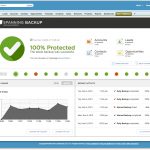
If something is already stored in the cloud you might wonder why you'd need to make an additional backup. Extra security is one reason, or the need to make backups more frequently.
Salesforce.com's backups take a daily snapshot of customer data but don’t provide for rapid and cost effective recovery. It is possible to export all your data each week but this is a manual process and prone to errors.
Tumblr rolls out two-factor authentication for the cool kids

Yahoo's cool kid's blogging service Tumblr is the latest site to adopt the additional security of two-factor authentication.
But as with the introduction of SSL encryption in February it's up to the site's users to enable the feature for themselves.
Cloud prices continue to fall

It's true of most technologies that as their popularity increases so prices begin to come down. The cloud is no exception to this as a new report from cloud portfolio management specialist RightScale shows.
Having analyzed price reductions from the four leading public cloud providers -- AWS, Rackspace, Google Compute Engine, and Azure -- in 2013, the report finds the pace of price reduction accelerating.
Ian's Bio
Ian spent almost 20 years working with computers before he discovered that writing about them was easier than fixing them. Since then he's written for a number of computer magazines and is a former editor of PC Utilities. Follow him on Mastodon
© 1998-2026 BetaNews, Inc. All Rights Reserved. Privacy Policy - Cookie Policy.