


Compliance in your marketing? It's more necessary than you think


Recently, a report conducted by PFL and Demand Metric -- which surveyed nearly 600 marketing professionals across a variety of different industries -- revealed data accuracy, understanding audience needs, and branding as the three most important factors to multichannel marketing campaign success.
Data is critical for marketers conducting multichannel marketing campaigns because it’s used to personalized messages and reaching prospects at the right moment in their customer journey. When marketers rely on and analyze data within multichannel marketing initiatives and campaigns, they can measure and improve strategies in real-time, allowing for better, more segmented outreach. Without data to inform campaigns, marketers might as well write a message on a paper airplane and throw it out the window.
A CEO's view of 2021

For most of us, 2020 was a year like no other, defined by the most disruptive and defining event of the past 100 years. As surreal as it felt to have our regular lives screech to a halt, the pandemic served to wake us up in many ways, too. It pushed us to dig deep, take stock, and come together as human beings, citizens, partners, and colleagues.
We learned the power of forging alliances to overcome adversity versus pointing fingers and creating more problems. That only by stepping up and coming together as individuals, companies, and nations do we all benefit, survive, and win.
Preventive maintenance: Fine-tuning your warning system

Imagine that you’re driving your car. Everything is running normally when, out of the blue, your check engine light blinks on and off from your dashboard. At this point, the best course of action would be to stop driving and call a tow service, as a flashing check engine light signals that you have a serious problem that, if ignored, could cause serious damage.
And, despite the momentary inconvenience, you’ll likely be thinking: Good thing I had that signal. Now imagine the same scenario but without the warning light. In time, your easy fix can quickly escalate to a smoking engine and a hefty auto repair bill. Such is the case when businesses fail to implement the technology, personnel, and processes to support preventive maintenance.
2021 will be the year we redefine innovation

Most people will be glad to see the back of 2020. It caused stress for workers in many industries around the world, as well as hardship for businesses, and forced people out of routines they had been used to operating in for years. It also forced the hand of businesses to innovate and roll out technology projects faster than usual. Whether it was COVID-19 contact tracing applications or contactless grocery orders, we saw the strength of IT teams working closely with the rest of the business to bring about change.
But now comes the next stage. 2021 will be a time to build on what took place in an unprecedented year and discover ways to uncover value. We’ll know exactly what outcomes our innovations are generating and thus we’ll be better informed for the steps we take in years to come. As we look to the new year, here are the top trends that will be most critical to the IT industry.
Cybersecurity predictions for 2021

No one could have predicted the madness of 2020. From a cybersecurity perspective, adversaries hit a German hospital with ransomware that resulted in a fatality, voting equipment manufacturers opted to work with security researchers to find bugs in their networks and websites, and other governments around the globe began to lean into vulnerability disclosure programs (VDPs) to even the playing field with increasingly sophisticated attackers. As a result, these events paved the way for continued change in the new year.
Read on for a glimpse of what we can expect to occur from a security perspective.
Ten predictions for applications and application delivery in 2021

We’ve become an application-centric society. We use apps to help us do our work, to communicate, to stream entertainment, to monitor our health, and to do a whole lot more. Over the years, the number of desktop and mobile apps has grown dramatically. Where we deliver them from has changed too. The cloud has played a huge role as we move away from strictly on-premises data centers to a hybrid cloud and multi-cloud approach. And, of course, the COVID-19 pandemic has had a profound impact on how we built, delivered, and consumed our applications in 2020. But what will 2021 bring?
Here are 10 predictions for applications and application delivery in the coming year.
All about Kubernetes and why you need more

Kubernetes is a platform for managing containerized workloads. Over recent years, it has pushed out alternative platforms and become a defacto standard.
All major cloud vendors now offer managed Kubernetes services, and there are no emerging competitors poised to unseat it. This article gives an overview of the rationale behind the emergence of Kubernetes and related technologies, and their place in an overall automation strategy.
Top 3 steps retailers can take to avoid downtime during high-volume holiday shopping

Holiday shoppers are largely housebound this year, meaning many consumers are doing most of their gift-buying online. We’re seeing record-breaking turnouts for virtual sales, with Cyber Monday
experiencing 30 percent growth year-over-year. Retailers are under an incredible amount of pressure to deliver an exceptional experience, even though many are likely dealing with volumes of online orders they’ve never had to handle before. Cybercriminals see this as a brilliant opportunity to execute ransomware campaigns, as any disruption can be detrimental to retailers during this season.
Need your investments in AI to do more? Here's how

"The impediment to action advances action. What stands in the way becomes the way." -- Famous Stoic and Roman emperor, Marcus Aurelius.
Some organizations have heavily invested in analytics and data scientist teams -- particularly in the manufacturing, retail, and automotive sectors. COVID-19 has disrupted their supply chains, and they find themselves needing to source answers in a day, not in the weeks they would have had to plan through changes last year. They must turn to experts on the front-lines of the business for action, and yet combine this expertise with the power of data scientists’ models to ensure they take optimal measures.
Engaging B2B customers in 2021: Three predictions

The ability of customer-facing teams to adapt to rapid changes in the face of unprecedented disruption over the past year has been remarkable. Preparing ahead for the new year, companies are realizing that many of the changes they’ve implemented in reaction to the crisis will in fact have to become a fundamental part of their strategy for business growth.
Here are three of the norms business leaders will need to come to terms with to plan for recovery and renewal in 2021.
Best practices for shopping safely this holiday season

Black Friday, Cyber Monday, and the holiday season have become prime targets for cybercriminals in recent years, as online retailers make it a global phenomenon that is no longer a one-day only event. As we approach this time of the year, cybercriminals will be looking to take advantage of the millions of shoppers who will take to the internet in search of the best deals.
This holiday season, more people than ever before, will shop online in the interest of public safety due to COVID-19, some of whom will have little to no previous experience navigating online shopping and almost no internet security knowledge.
NoMachine 7 is a major update to the remote desktop tool
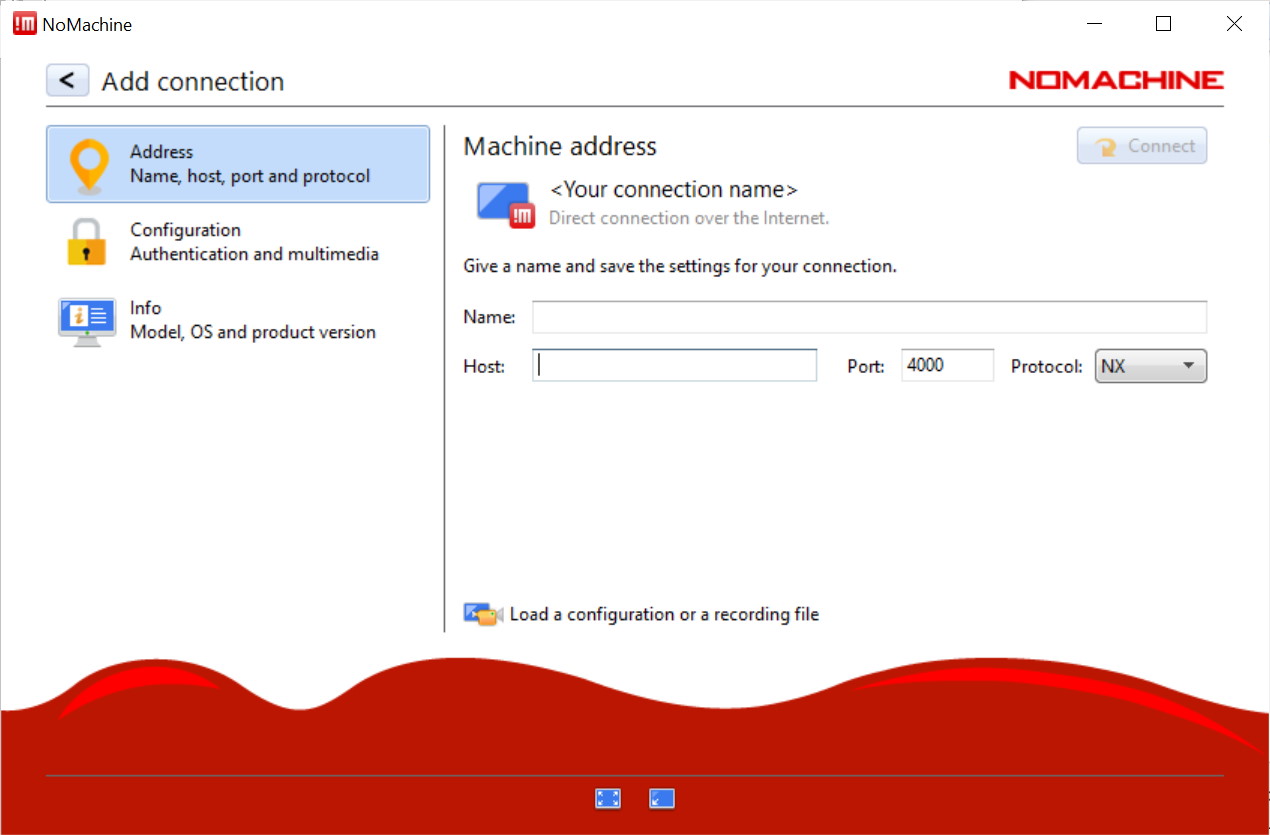
At the moment, thanks to COVID-19, more and more people have been forced to work remotely, but it is a work practice that is being coming increasingly common regardless of whether there is a pandemic or not. But it can be difficult to find a remote access tool that provides everything you need, particularly if you are working across multiple platforms.
NoMachine 7 goes far beyond the capabilities of many remote desktop tools in being available for Windows, macOS, Linux, Raspberry Pi, Android, iOS and ARM. With just about all bases covered, this latest version introduces not only an updated look, but also makes setting up remote sessions easier than ever.
How to securely flourish in remote work with zero trust: A step-by-step guide

The idea of commuting to an office space for work increasingly feels like an outdated approach, especially as we are months into stay-at-home orders amid COVID-19. However, not long ago, some businesses were resistant to the idea of remote work, citing fears such as reduced employee output.
Fortunately, as organizations across all industries were forced to rapidly support remote work, many have been pleasantly surprised by continued, high levels of employee productivity, putting previous fears about diminished output to rest. Unfortunately, many organizations are still fumbling to put security infrastructure in place that enables remote work productivity without compromising security. In fact, 33 percent of organizations were not sufficiently prepared to support remote operations at the beginning of the pandemic, and many IT teams have been finding that they are in need of meaningful changes.
The best password managers 2021

Using unique passwords is essential for keeping documents, data and accounts safe. However, it can be hard to remember them all.
Using password managers is the ideal solution for keeping everything organized. Now that the new year is nearly upon us, it’s time to take a look at the best password managers for 2021.
Prioritizing AppSec and data governance in 2021

For many organizations, the immediate shift to remote work meant IT pros had to manage a hyper-accelerated, mass cloud migration coupled with large-scale SaaS platform rollouts. Daily users of Microsoft Teams, for example, rose from 75 million to 115 million in less than six months. Now that the first tidal wave of digital transformation has passed, IT and security teams should recalibrate and reprioritize application security and data governance in 2021 and beyond.
And while the pandemic has underscored major SaaS platform security concerns, including a rise in sophisticated cyber threats, research indicates many organizations still struggle with the fundamental tasks needed to secure the workforce -- both remote and on-prem. Here are three common mistakes and how to avoid them.
© 1998-2026 BetaNews, Inc. All Rights Reserved. Privacy Policy - Cookie Policy.