Microsoft wants you to upgrade to Windows 10... whether you like it or not


Microsoft managed to piss off a lot of people with Windows 10. Some people love it, but certainly nowhere near 100 percent of the install base (whatever size Microsoft claims this may be). It's possible for any operating system to be disappointing, but what Microsoft has managed to get wrong with Windows 10 -- time and time and time again -- is the way upgrades have been delivered.
We've had stories of installation files being downloaded without permission. There are the privacy concerns. There is the confusing installation process that has misled some into upgrading to Windows 10. But even after weeks and months of complaints, the forced Windows 10 upgrades are still happening. If anything, the problem is getting worse. Microsoft is making it harder and harder for Windows 7 and Windows 8 users to avoid Windows 10. A coerced user is not a happy user, yet Microsoft continues to force Windows 10 down people's throats in a number of ways. WT actual F?
Microsoft releases Windows 10 Redstone Build 11082 to Insiders on the Fast ring


Having rolled out Threshold 2 under the guise of the November Update last month (and then removed and reinstated it shortly afterwards), Microsoft is now on the Redstone branch of Windows 10 development -- the next big update which will be pushed out to all users of its new operating system next year.
Build 11082 is now available for Windows Insiders on the Fast ring and Microsoft’s Gabe Aul introduced the new build saying:
Microsoft is working on bridges to get your apps to Windows 10


Microsoft launched Windows 10 this past summer and it has, mostly, had a good reaction from users. After Windows 8 there really was no direction to go but up. Of course any platform needs apps to survive, and Windows 10 is no exception.
In order to expedite the influx of new apps and websites, Microsoft is building bridges. That is literally the name for it. The company wants developers to move their apps into its new ecosystem and it has already launched bridges for iOS and hosted web apps.
Microsoft Office 365 now offers a project management app

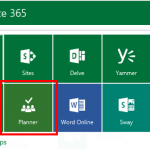
Microsoft has announced the release of a preview and testing version of its new lightweight project management application -- Planner.
The application -- originally codenamed Highlander -- was released for initial evaluation to those customers who have one of the following Microsoft licenses:
Like Internet Explorer, Microsoft Edge is still pushing people away

Microsoft must have hoped that in walking away from Internet Explorer and moving towards Edge it could successfully shake off its reputation for producing terrible web browsers. There's a joke that everyone has used Internet Explorer at some point, even if it's just once to download Firefox or Chrome; sadly for Microsoft, it seems the trend continues.
The launch of Windows 10 provided an opportunity to attract a new audience to Microsoft Edge -- but people are still jumping ship. It's likely that Edge's continued lack of extension support is partly to blame, but usage stats from numerous analysts paint the same picture: Edge is tanking.
Microsoft pulls its latest buggy Windows 10 Mobile build [Updated]

A week ago Microsoft pushed out a new Windows 10 Mobile build to Lumia 950 and 950 XL users. Build 10586.29 was the first cumulative update and originally made available to Windows Insiders.
However, things didn’t go particularly smoothly with the new version, and a large number of users reported having installation problems.
Bing Pulse rebrands as Microsoft Pulse

End-user data collection, analysis, and visualization are very important to businesses nowadays. Decision makers in companies have come to rely on this data for its predictive capabilities. When properly utilized, data can tell a story, which can help determine the strengths and weaknesses of a company. Smart people embrace negative feedback, as it is most beneficial to moving the needle. With that said, it is helpful to see positive feedback too, of course.
Bing Pulse has proven to be a valuable data collection tool, gathering user sentiment in real time during things like debates and the Presidential State of the Union Address. Pulse has been expanding, however, touching more and more Microsoft solutions (Azure, Skype for Business, OneNote, etc.) along the way. As a result, today, Bing Pulse is rebranding as Microsoft Pulse. This is more than superficial, you see, as Microsoft Pulse is also gaining new functionality, plus a refreshed focus beyond just real-time voting.
How to enable the Dark Mode in Windows 10's Films & TV app

Windows 10 is still very much a work in progress, as are the apps that come as part of it. The November Update (aka Theshold 2) introduced some cosmetic changes throughout, and there have been other changes made in the many other updates.
The Films & TV app recently gained a new Dark Mode which improves things greatly, but it’s disabled by default. Here’s how to turn it on.
Will 2016 be the year of Windows 10 in the enterprise? [Q&A]


Businesses are notoriously reluctant to make the leap to a new operating system. But by the start of 2016 Windows 10 will have been around for six months, so can we expect next year to be the start of its taking off in the enterprise?
We spoke to Deepak Kumar, Founder and CTO of configuration management specialist Adaptiva to get his views on the march of Windows 10 and more.
Microsoft is in an apologetic mood right now -- what next? 'Sorry for Windows 10'?

Sorry may be the hardest word, but it seems to be tripping off Microsoft's tongue quite freely at the moment. Maybe it's the holiday season making the company look at itself, but we've had two apologies in recent days -- first, a semi-apology for stealing OneDrive storage from people, and now it's sorry about the Surface Book and Surface Pro 4.
Recognizing that many people's experiences with the latest addition to the Surface range has been "less-than-perfect", Microsoft's Josh_F has issued an apology on behalf of the company. Thanksgiving may be little more than a memory now, but Microsoft is thankful for the "open and candid feedback" (or bitching and complaining) about the latest Surface devices. With Microsoft in an apologetic mood, what else could it say sorry for?
Microsoft OneDrive is making it rain gigabytes -- here's how to score free cloud storage

Microsoft is doing some great things lately. Between Windows 10, Xbox One and its embrace of open source, you would think the company would be put on a pedestal by its users. Unfortunately, the company acted more like Scrooge than Santa Claus when it announced it was taking away cloud storage capacity from all of its users citing abuse by a few. Not cool.
Today, however, Microsoft is righting this wrong -- at least partially. While unlimited storage is still dead and buried, it is now possible to prevent the decrease from 15GB to 5GB. Shockingly, you can even keep your 15GB camera roll bonus too. How do you achieve this awesomeness? Just use the special link below.
Xbox Live certificate keys exposed according to Microsoft

A lot of Xbox customers shill out the extra money for a Live account to improve the gaming experience. With the vast amount of Xbox consoles out there, that is quite a few customers. Now Microsoft is acknowledging that the keys for some of those faithful users have been exposed.
Before you panic, this doesn't necessarily mean you've been hacked, but the possibility is there. In a new security bulletin the company claims that the SSL/TLS digital certificate keys for xboxlive.com were exposed and that this could be used by hackers for man-in-the-middle attacks.
Windows 10: Security features for the enterprise

The introduction of mobile into the workplace has destroyed previous enterprise security models, introducing a modern operating system (OS) architecture that puts the employee in the driver’s seat.
At the same time, breaches targeting traditional Windows operating systems are at an all-time high, with over 1 billion records compromised in the last two years.
Windows Live Writer goes open source

Perhaps it never really caught on, or at least didn't go big, but Windows Live Writer is a solid tool for blogging. This isn't Word, which is what many writers use, but it's still a capable weapon in the arsenal of any author.
The new program is called, quite simply, Open Live Writer and it's being released now. It has also been contributed to the .NET Foundation. It allows writers to edit and publish stories directly from within it.
Microsoft rolls out Cortana to iOS and Android, to take on Siri and Google Now

Cortana is no longer limited to devices running Windows 10. After short period of public beta testing, Microsoft's digital assistant is now rolling out not only to iOS and Android, but also Cyanogen OS devices.
Just as on Windows 10 Mobile handsets, these new releases include many of the features that are found in the desktop version of Cortana. There are, however, some functions that remain exclusive to Windows phones -- you cannot, for example, change system settings in iOS and Android nor, frustratingly, use the hands-free "Hey Cortana" voice command.
© 1998-2026 BetaNews, Inc. All Rights Reserved. Privacy Policy - Cookie Policy.