Microsoft Surface can win you over

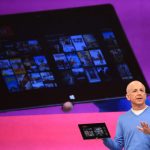
People can't stop talking about Microsoft Surface. It’s a very hot and disputed topic. Some critics say that the tablets (there are two) will fail, while others are enthusiastic. There's heated discussion about price, too.
For me and many others like me, Surface is the only tablet that can be used for more than common tasks -- certainly not Apple's iPad. Windows is a very powerful platform, and most professionals need it for work. I want to tell you why you need Surface.
Enterprise IT will kick Microsoft Surface to the curb


What a week! Just when I thought Microsoft could never be as cool as Apple, bang! Here comes Surface (no, not that Surface) to shatter my preconceptions about the weather in Seattle and its effect on product innovation.
Surface is sleek, sexy, and, dare I say it, kind of cool. It’s got this rockin’ kickstand thingy at the back, a neat-o magnetic keyboard/cover and is made from some cutting-edge alloy straight out of a Star Trek episode (specifically, Voyager -- DS9 would never stoop so low). In short, Surface has all the ingredients of an iPad killer. But while it may achieve some success in the consumer space, enterprise IT shops won’t touch it with a 3-meter pole.
Microsoft Surface is all style and no substance at all

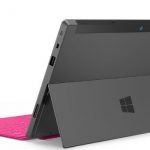
Microsoft’s Hollywood announcement Monday of its two Surface tablet computers was a tactical triumph but had no strategic value for the world’s largest software company because the event left too many questions unanswered. If I were to guess what was on Microsoft CEO Steve Ballmer’s mind it was simply to beat next week’s expected announcement of a Google branded tablet running Android. Microsoft, already playing catch-up to Apple’s iPad, does not want to be seen as following Google, too. So they held an event that was all style and no substance at all.
This is not to say that Microsoft shouldn’t make a tablet and couldn’t make a good one, but this particular event proved almost nothing.
Microsoft rolls out SmartGlass SDK to first crop of devs


Microsoft on Thursday released the Xbox SmartGlass Software Development Kit (SDK) to partners that have agreements to develop Xbox games and entertainment applications for the Xbox 360.
The device-agnostic SmartGlass application was first revealed at the Electronic Entertainment Expo earlier in June, showing how users will eventually be able to pair their tablet or smartphone with their Xbox 360 for enhanced content consumption and gaming. Now that Microsoft's Surface and Windows Phone 8 initiatives have been revealed, the SmartGlass project has begun to take clearer shape.
How does Windows Phone 8 affect you?

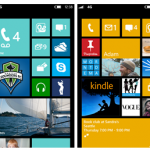
Something at Microsoft has changed, and it's rather startling. The company so long risk-adverse takes some really big ones -- with Windows 8, Windows Phone 8 and Surface tablets high among them. Windows 8 radically changes the user interface, which already irks some long-time customers, particularly in businesses. Windows Phone 8 is incompatible with every WP handset ever sold, even two-and-a-half-month old HTC Titan II or Nokia Lumia 900. Surface competes with OEM partners, and some already complain Microsoft blind-sided them. This isn't your father's Microsoft, or elder sibling's.
For years, Microsoft sought to preserve the status quo, and still does. But no longer is CEO Steve Ballmer and his top guns willing to stand still while the market moves forward. IBM chose status quo during the computing-era transition from mainframe to PC -- cater to existing customers and preserve existing revenue streams. For years, Microsoft followed similar course during the early transition from the PC to the cloud-connected device era. No longer. Microsoft takes big risks to preserve its computing relevance, and they'll either sink the company or preserve its place in the new world order. The question: How does it all affect you?
Windows Phone 8 won't be available on anything out today, but that's okay, right?
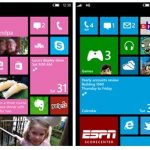
Microsoft revealed its plans for the next generation of Windows Phone on Wednesday, which includes broadening hardware support, revising the user interface, and adding a couple of new features that bring Windows Phone up to speed with the Android platform.
Unfortunately, though, no current Windows Phone devices will receive an upgrade to the new operating system. Instead, they will receive the graphical overhaul of the new Start screen in a sub-update called "Windows Phone 7.8."
Microsoft's Windows Phone Summit Liveblog: Introducing Windows Phone 8

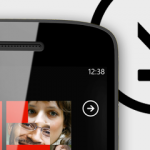
Microsoft sure is busy this week! Join BetaNews starting at 12 pm EDT for our liveblog of the Windows Phone Developer Summit in San Francisco. We're expecting the debut here of Windows Phone 8, the next version of Microsoft's mobile operating system.
Windows Phone 8 is expected to have a host of new features, including Near Field Communications, support for multicore processors, new screen resolution support, improved Skype application (although still seperate), and the replacement of the Zune PC client with something that's closer to ActiveSync, Mary Jo Foley reports.
Surface is Project Origami's revenge
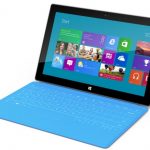
Surface isn't just about the future. The tablet is also about the past, and Microsoft bringing to market a vision quashed by its hardware partners. In 2012, Surface is all about Apple and Microsoft securing a fast foothold in the emerging cloud-connected device category. But the tablet also encompasses something sought six years ago: Project Origami.
It's no coincidence that Project Origami's launch was, until yesterday, the last time Microsoft held a super-secretive media event that generated big buzz. Surface and the other share much in common, and not just buzz. Before there was iPad, Microsoft developed Ultra-Mobile PC -- or what Project Origami came to be branded. The idea: To bring to market a sub-$500 touchscreen computer. The software giant sought this product category four years before iPad stormed the media tablet market. Surface is Project Origami's revenge, against Apple and Microsoft's hardware partners.
Microsoft Surface is all about Apple
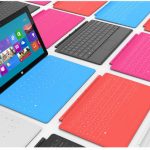
I dunno if it's branding or magic, but Microsoft's "big-ass" Surface table suddenly is smaller. In a jam-packed media event this evening, the software giant unveiled a 10.6-inch display tablet. Case is magnesium with beveled edges that give a sleek appearance. The tablet weighs as little as 676 grams. That's a helluva lot lighter than the Surface table introduced 5 years ago. That baby measured 30 inches and newer Samsung model is 40 inches. The tablet is pretty compact compared to the table.
So the rumors were true about a Microsoft tablet. But Surface? Not Xbox? It's smart branding that pits Microsoft's tablet against Apple's -- industrial design, announcement timing, Surface branding and more.
Should Microsoft release a branded tablet?
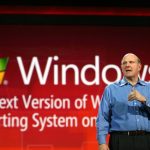
It's Microsoft mystery Monday, with some big announcement coming at 6:30 pm EDT. The current rumors all focus on tablets, with the most recent being a partnership with Barnes & Noble. Can you say Windows Nook? (However, after I posted, Barnes & Noble issued a non-participation statement).
There's a broader question: Should Microsoft release a branded tablet? I pose that to you on this fine day. I'm certainly perplexed. The big advantage to such an announcement is timing. Google is expected to debut its own branded Galaxy Nexus tablet at the I/O developer conference next week. Microsoft could steal Google's thunder by doing something first. But would it be, with Windows 8 still in development? Now it would be big if Microsoft said Windows RT is ready now and this tablet , whether made by Barnes & Noble or somebody else, ships imminently. Otherwise, why bother announce June 18, when OEM partners showed off Windows RT models earlier this month at Computex?
Microsoft, Symantec team on future disaster recovery solutions for Azure

Customers of Microsoft's Windows Azure platform will gain disaster recovery features thanks to a partnership with Symantec announced this week. The offering is the first such service for the Azure platform, the two companies say.
While the effort was announced this week during Microsoft's annual TechEd conference in Orlando, Microsoft says the actual service itself will not be available until sometime next year, and is a move that makes sense for Symantec at this point.
Nokia layoffs = Benefit for US, Sweden. Problem?

Last year, when Microsoft announced it was partnering with Nokia in Windows Phone development, it was widely expected to result in significant staff cutbacks in Nokia's research and development department. In fact, it was part of the agreement. Both Nokia and Microsoft said there would be an R&D handoff. Finland's Minister for Economic Affairs, Mauri Pekkarinen went so far as to say it would result in the biggest structural change that Finland has ever seen in the new technology sector.
Yesterday, Nokia CEO Steven Elop announced major R&D cutbacks...these 10,000 layoffs should have surprised no one.
Will Microsoft's mystery product be 'clap on, clap off' for mobile?

Cue up the rumormill for anyone's guess what Microsoft will announce at 6:30 pm EDT on Monday. I'll throw out one, inspired by software developer Robert Johnson, who occasionally writes for BetaNews (and we wish it was more often).
"If Mashable is correct and Microsoft really is gonna announce a self-manufactured tablet then it could possibly be a further refinement of the laptop that was rumored a few months ago", he speculated. "Remember how there were reports of people who had seen a device made by Asus that contained Kinect cameras?" Yes I do, and replied: "Kinect mobile has limited applications, but they're big for key enterprise markets, such as healthcare. Otherwise what have you got? 'Clap on, clap off' for PCs".
Get ready for Microsoft mystery Monday

Say, it must be vacation time. The folks from Redmond, Wash. will trek to Los Angeles for a mysterious June 18 event. It's the right month to soak up Southern California sun. Timing surely isn't coincidental -- a week following Apple's swaggering MacBook Pro with Retina Display, iOS 6 and OS X Mountain Lion announcements and 9 days before Google's developer conference commences. Apple and Google chose San Francisco venues, while Microsoft will get its people out of the clouds into some blue skies (well, once the Marine layer blows off). I'm all for LA, since it's driving distance from San Diego. Not that I received an invitation.
But others who got one have shared the details, of which there are none. Microsoft is being uncharacteristically cagey, a corporate cultural quality that is in too short supply up North. Nothing builds buzz like mystery. With Apple's announcements behind, and Google I/O too far away, Microsoft has given bloggers, commenters, reporters and other pundits something to speculate about. Oh, what could it be?
OS X Mountain Lion launches in July

Today, at Worldwide Developer Conference, Apple laid a big challenge before Microsoft. While Windows 8 continues in testing, and won't come to new PCs until autumn, the next OS X version is ready for the masses sooner, as in next month. In the battle of oneupmanship, Apple is the clear winner. Today, Apple launches an OS war against Microsoft. The company also announced new MacBook Airs and Pros, which ship immediately, with free upgrades to Mountain Lion.
During the WWDC keynote, Apple revealed there are 66 million Mac user worldwide, which is three times the number five years ago. Apple has shipped 26 million copies of Lion to date, accounting for 40 percent of the install base. That's seems low considering it costs just $29.99.
© 1998-2026 BetaNews, Inc. All Rights Reserved. Privacy Policy - Cookie Policy.