Ransom is the #1 motivation behind cyber attacks


A new report from cyber security and application delivery company Radware reveals that almost half of businesses (49 percent) say they’ve been the subject of a cyber-ransom campaign in 2016.
Ransom was the top motivation behind cyber-attacks they had experienced according to 41 percent, followed by insider threats (27 percent), political hacktivism (26 percent), and competition (26 percent).
Warning: Chrome, Opera and Safari's auto form fillers make it easy to steal personal data


We're all looking for ways to save time and effort, so it's hardly surprising that some web browsers offer a feature that automatically fills in online forms with commonly requested personal information. While incredibly useful, the feature can also be exploited to extract data a user might not want to share with a particular website.
Chrome, Opera and Safari all offer to save and automatically fill in details such as name, address, phone number, and so on, and users are ordinarily only aware of the data which is obviously filled in on their behalf. But a web developer shows how it is possible -- and very, very easy -- to use hidden fields to secretly gather all of the information saved in an autofill profile.
Insiders or outsiders, which is the greater threat?

Historically, the idea of a hacker has always conjured up images of the outsider trying to gain access to government or corporate systems.
But in recent years it's become clear that insiders can present just as big a threat, whether from malicious intent or just careless use of systems.
How to detect a hacker before they steal your company's data

With massive data breaches uncovered daily or weekly, it’s hard not to be a bit numb to the urgency and magnitude of the issue. For most organizations, the problem is far from solved. Apathy in place of outrage at this juncture could diminish any help before it gets started. At the same time, misguided efforts will result in continued failure.
A giant Python-esque foot has not yet come down to condemn the ludicrousness of such a broad catastrophe but losses and damage have been mounting. This year, cybercrime overtook physical crime in the UK, marking a profound changing of the times. The National Crime Agency estimates the annual loss to UK businesses of £1 billion in direct costs, although the more realistic number is far greater, particularly considering the cost of stolen intellectual property and business secrets and other loss and damage not typically reported.
Security and the Internet of Things [Q&A]
Last year saw the Mirai botnet harness routers and other IoT devices to launch DDoS attacks against internet services.
Is this type of attack something we’re going to see more of in 2017, and what can companies and individuals do to protect themselves? We spoke to Sam Rehman, chief technology officer at attack prevention specialist Arxan Technologies to find out more about security and the Internet of Things.
Watch out for Amazon sellers with New Year phishing scams

This is one of the many times of year that retailers have sales, coinciding neatly with the time of year when many people are feeling the pinch after splashing out on food and presents. But if you're scouring Amazon for great deals, watch out for sellers who are actually using low prices to lure you into a phishing scam.
One seller going by the name of (among others) Sc-Elegance uses "used, like new" tech products as bait, ultimately directing buyers to a fraudulent site to make payments. Security experts are warning shoppers to be on their guard.
US Federal Trade Commission sues D-Link for having terrible security
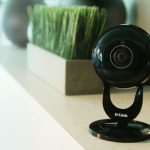
D-Link is facing a lawsuit brought against it by the US Federal Trade Commission for the poor security of its routers and connected cameras. The FTC says the company failed to take reasonable steps to protect users from hackers.
The FTC is seeking to improve the security of all IoT (internet of things) devices in the wake of compromised devices being used to launch high-profile DDoS attacks such as Marai and Leet Botnet. D-Link argues that the charges brought against it are "unwarranted and baseless" and plans to "vigorously defend itself".
Many businesses are relying on others to fight DDoS attacks

With large scale cyber attacks constantly hitting the headlines, businesses ought to be aware of the need to protect themselves.
But a new study by Kaspersky Lab shows that 40 percent of businesses are unclear on how to protect themselves against targeted attacks and DDoS.
Managed SIEM brings threat protection to multi-site businesses

Data breaches are bad news for companies not just in terms of potential losses but in damage to reputation.
Larger enterprises are realising that they need to protect not just their central locations but also their remote and franchise locations in order to guard their brand.
New solution uses machine learning to protect against botnet attacks
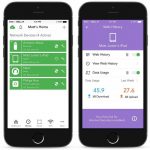
The Mirai botnet is thought to have affected more than 1.5 million smart devices over the past few months.
Router manufacturer Securefi is aiming to combat this problem with the launch of a new IoT device security service. Initially available for the company's Almond 3 routers, Securifi's solution protects connected home devices like DVRs, IP cameras, and smart thermostats from a number of key online threats.
Ransomware set to increase in 2017
Ransomware has been one of the major threats faced by both businesses and individuals in 2016 and many security analysts don't see it going away any time soon.
Threat intelligence specialist Recorded Future echoes that view and believes we’ll see more attacks aimed at shaming the victims.
Dashlane teams with Intel to improve password protection
Security breaches have been one of the major themes of 2016, so going into the new year it’s no surprise that companies are keen to try to make things more secure.
Password manager Dashlane is announcing enhancements to its software to make use of Intel Software Guard Extensions, a powerful security technology built into the latest Intel Core processors.
69 percent of businesses experience data loss due to employee turnover

A new report from IT research and consulting company Osterman Research reveals that employee turnover and attrition is the number one data protection concern for enterprises.
Of the organizations surveyed, 69 percent indicate that they have suffered significant data or knowledge loss resulting from employees who had left the business.
Your flight booking data is insecure and very easy to hack

The system used by millions of travelers each day to share data between travel agencies, airlines, passengers and websites is incredibly insecure. Security researchers have presented details that highlight just how easy it is to hack flight bookings.
German security firm SR Labs says that using nothing more than a traveler's surname and a six-digit Passenger Name Record (PNR), it is possible to not only gather personal information about people, but also make changes to bookings.
How to protect your company against a potential encryption backdoor policy

The election of Donald Trump has alarmed privacy advocates who worry that the self-described "law-and-order" president will take a more heavy-handed approach towards issues of security and privacy. Of particular concern are fears that there will be attempts to weaken or otherwise disable the encryption that is widely used to protect sensitive data and maintain user privacy.
Based on the proposed cabinet-level nominees put forth by Trump, these fears may be well-founded.
© 1998-2026 BetaNews, Inc. All Rights Reserved. Privacy Policy - Cookie Policy.