Windows 10's success hinges on apps, and overcoming developer apathy


It’s no secret that Microsoft has an app problem. The Windows Store is full of unexciting knock-offs, and it’s rare for quality releases to appear there these days. While many Windows Phone devotees will claim the "app gap" is a myth, and the only apps Microsoft’s mobile platform doesn’t have are rubbish ones that no one wants ("thousands of games and flashlight apps" as I’ve seen iOS’s superiority dismissed previously), that’s simply not true.
Microsoft is more than aware of the problem, and past efforts to get developers to port their apps to its ecosystem simply haven’t worked. That’s why with Windows 10 Microsoft is doing things differently. Universal apps can run on any Windows 10 device, from PCs to phones, and Microsoft has also made it incredibly simple for developers to port Android and iOS apps to Windows 10. But will that be enough?
Pirates can upgrade to Windows 10 for free but they won't be supported by Microsoft


Microsoft has given up trying to stop people from pirating Windows. We already knew that Windows 10 was going to be free, but now Terry Myerson has revealed that it will be free to everyone, including people who are running pirated copies of earlier versions of the operating system.
Speaking to Reuters the Windows chief said: "We are upgrading all qualified PCs, genuine and non-genuine, to Windows 10". The move is an admission that the fight against piracy was a battle Microsoft was never going to win, but the benefits that will be felt extend far beyond just a free copy of Windows.
No more waiting for carriers -- Microsoft will push out Windows 10 Mobile updates
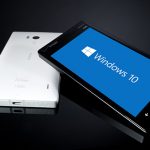
One of the frustrations facing Windows Phone users -- much like Android fans -- is that when an OS update is announced it can be difficult to find out when, or indeed if, a particular handset will receive it. Carriers can take an age to release update to their customers.
With Windows 10 Mobile, Microsoft is making things much simpler by taking over the task of pushing out updates. This means users will no longer have to wait for their mobile carrier to get around to it. It's something that will help not only to ensure that as many people as possible are using the very latest version of the operating system, but will also help to stamp out a serious problem: fragmentation.
Here's how genuine and non-genuine Windows 10 upgrades will work

Later this summer, Windows 10 will be released. Microsoft has pushed out numerous builds in recent months but details about how the upgrade process will work have been a little thin on the ground. Today Microsoft reveals how users of both genuine and non-genuine versions of Windows 7 and 8.x will be able to upgrade to Windows 10.
We already know that the upgrade process will be simple and Terry Myerson had already suggested that it would be possible to upgrade from a pirated version of Windows for free. Now the differences between the upgrade process for genuine and non-genuine version of Windows are made clear -- and pirates will have to put up with a desktop watermark.
Candy Crush Saga is to Microsoft as U2 'Songs of Innocence' is to Apple


Candy Crush Saga is one of my favorite games. While some will dismiss it as nothing more than a time-wasting fad, I find it to be a fun, skill-based game, mixed with a high dose of luck too.
Today, Microsoft announces that not only is Candy Crush Saga coming to Windows 10, but it will automatically be installed on the computers of some users. My love for the game is inconsequential. I am not happy that Microsoft is doing this. Quite frankly, it is reminiscent of Apple shoving that horrible U2 album, "Songs of Innocence", down the throats of its users. It is a bad practice, and I hope the company changes its mind.
Windows 10 editions revealed!

A common complaint of both Windows promoters and detractors is the overwhelming number of versions, or editions, on the market. The sheer number of SKUs can be maddening, and quite frankly, confusing for consumers.
Many people -- myself included -- had hoped Microsoft would do away with all of the editions, and only have one. Admittedly, having one edition was a pipe-dream, but with all the good moves the company is making lately, I thought two or three editions was realistic. Unfortunately, Microsoft has announced the upcoming editions of Windows 10 and there are a lot. In fact, the number of editions have increased from Windows 8!
Will Microsoft Edge's security boost shake off the shackles of IE's terrible reputation?

Project Spartan is no more, now it's all about Microsoft Edge. It's only been a few months since the successor to Internet Explorer was revealed and it will be the default browser when Windows 10 sees the light of day later this summer -- but has enough been done to shake off the poor reputation that Internet Explorer has earned itself over the years?
There's no getting away from the fact that Microsoft Edge has an uphill battle on its hands if it is to avoid being tarred with the same brush as the millstone around Microsoft's neck -- Internet Explorer. Microsoft is pinning a lot of hopes on upping the security feature set, but is this a case of too little too late? Is Microsoft Edge doomed before it even gets off the ground?
Windows Insiders will need a valid license to upgrade to Windows 10 RTM
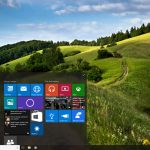
At the moment you don’t need a Windows license to run the Windows 10 Insider Preview. Anyone can download an ISO, install it, and update the OS as new builds arrive. Microsoft wants to get feedback from as many users as possible to avoid repeating the catastrophe that was Windows 8.
But what happens when the preview versions stop and we reach RTM? We know the operating system will be free (in the first year) to anyone running a copy of Windows 7 or 8.1, but if RTM is a straight update, like all previous Windows 10 builds, does that mean every Windows Insider will be able to upgrade to RTM for free?
How to enable Windows 10's hidden dark theme

Windows 10 Insider Preview has a dark secret… Well the newly released Build 10074 does anyway.
If you open the Windows Store and hit Ctrl-T, the app will switch from a light to a dark theme. Pressing the same key combination will restore the app’s lighter look. As far as we can tell this trick only works for the Store, but you can enable the dark theme on other apps with a spot of registry editing.
Microsoft: Windows 10 will be the last version of Windows


As someone who is always excited to try out a new version of Windows, learning that Windows 10 will be the last time I get to experience a new release of the popular operating system, with everything it entails, is disconcerting. Is this an alternate reality that we are living in?
The news comes from Microsoft developer evangelist Jerry Nixon, who, at the software giant's Ignite conference earlier this week, said the following: "Right now we're releasing Windows 10, and because Windows 10 is the last version of Windows, we're all still working on Windows 10". And, yes, it is the end of Windows as we all know it.
Microsoft jokingly reveals what happened to Windows 9


When Windows 10 was first announced, everyone immediately had one burning question to ask Microsoft concerning the freshly rejigged OS. And that question was: "Uhh, what the hell happened to Windows 9?"
Windows 8 followed sequentially on from Windows 7, but somehow, Windows 9 got skipped -- and it seems that’s something Redmond isn’t afraid to joke about, via Joe Belfiore’s and other Microsoft staff members' T-shirts.
Microsoft slams Android's update policy, announces 24x7 update plans for Windows 10 devices


Microsoft values its customers’ security, and it wants them to know that. The company announces its plans to frequently update Windows 10-powered desktops, laptops, phones, and tablets. At Ignite 2015 event, the company says that it will be pushing security updates every day instead of delivering them once a month.
Home users will be getting updates more often than ever, Windows chief Terry Myerson notes. Businesses, however, will remain sited on their monthly cycle -- popularly known as Patch Tuesday -- as the company plans to first test the update with home users and ensure that those codes aren’t breaking anything. Sounds reasonable.
Windows Media Center is dead -- Microsoft promises DVD alternative for Windows 10

When Microsoft released Windows XP Media Center Edition in 2002, I remember being awestruck. It was as if I was looking into the future; surely everyone in the world would eventually have giant towers next to their televisions running Windows. The reality? Not so much. The operating system only shipped with pre-built machines that were quite costly. Ultimately, it became freely available for most of the common Vista and Windows 7 versions, but was put on life support with Windows 8, where it was a paid add-on. Digital TV ultimately killed much interest, as adding PCI-e tuner cards and CableCARDs were a huge pain in the butt (the rear-end pain was often caused by Cable TV providers).
Fast forward to 2015 and we are on the verge of a new version of Microsoft's operating system, Windows 10, and many people have been wondering about the status of Media Center. Well, I am happy to say it is dead. The clunky bolt-on will not be available anymore. Why am I happy? Storing tons of content locally and playing it back is a dead concept; people need to move on. Hell, nowadays I would guess it is used mostly by pirates with massive hard drives. The future (and the present, really) is streaming both movies and music from the Internet. If you are a Luddite that depends on Windows Media Center for watching DVDs, you will be happy to know that an alternative is coming to Windows 10.
Windows 10: 'Free' can potentially cost a lot

It's been about a year since I’ve felt prompted to write anything; but the recent Microsoft announcements about Windows 10 has brought on the urge. I'm not really interested about the pricing or upgrade options for consumers as they have all been commented to distraction. My interest is the concept of the Operating System as a service.
Whenever anyone changes the goalposts on a supplier-customer relationship, it piques my business interest as there is no such thing as a free lunch -- particularly not from the likes of Microsoft or Apple.
It really is game over for Windows 8.x

Every month NetMarketShare releases usage share figures for all of the major operating systems. In the past these figures tended to paint an interesting picture of how well -- or rather how badly -- Microsoft’s newest operating system was doing. Occasionally the OS grew share, occasionally it lost share -- sometimes quite dramatically.
Now though, the only picture that’s being painted by these monthly figures is an operating system that has no future and will vanish quietly, and with zero fanfare, once Windows 10 arrives.
© 1998-2026 BetaNews, Inc. All Rights Reserved. Privacy Policy - Cookie Policy.