NSA: Edward Snowden did not raise surveillance concerns internally


In an interview with NBC earlier in the week, Edward Snowden -- ever a thorn in the side of the NSA -- defended his decision to leak documents to the press, saying "Sometimes to do the right thing, you have to break a law". The whistleblower has long insisted that his revelations were born of a desire to help his country, and claims that he previously tried to voice his concerns about the US government's surveillance tactics through official channels.
Speaking in Wednesday's interview, Snowden said "I actually did go through channels, and that is documented. The NSA has records, they have copies of emails right now to their Office of General Counsel, to their oversight and compliance folks, from me raising concerns about the NSA’s interpretations of its legal authorities". This is something disputed by the NSA who released details of a brief email exchange between Snowden and the Office of General Counsel.
Adware comes to the World Cup 2014 through Android app

We are not far off from the proverbial kickoff of the 2014 World Cup. The tournament takes place this year in the South American nation of Brazil, beginning in June. With a major sporting event comes web sites and apps, letting folks follow all of the action. However, in some cases, not all is what it seems.
Avast researchers uncovered an app that, while not actually dangerous, is designed to feed you only ads. "Some of the Android gaming apps we downloaded primarily displayed ads instead of letting us play. Let me just point out a few from many. We were unable to play Corner Kick World Cup 2014 at all because it displayed nothing but a white screen, with ads popping up now and then", says Flip Chytry.
Misconfigured apps will account for the majority of mobile security breaches


Security incidents originating from mobile devices are currently pretty rare. But with 2.2 billion smartphones and tablets set to be sold in 2014 and PC sales in decline, the focus of security breaches is likely to shift towards mobiles in future years.
According to research specialists Gartner by 2017 misconfiguration of applications will account for 75 percent of mobile security breaches.
Here's how to unlock a hijacked iPad or iPhone

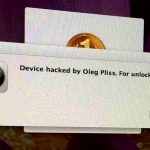
A number of iPhone and iPad users have fallen foul of a particularly nasty hack, in which they find themselves locked out of their devices unless they pay to have them unlocked.
The extortionist leaves a message claiming to be from the well-known software engineer Oleg Pliss. A message on the screen reads "Device hacked by Oleg Pliss", and encourages the user to pay $100.
Incapsula launches added protection against DDoS attacks

One of the greatest threats faced by online businesses is the DDoS attack. Recent research by application delivery service Incapsula shows that DDoS attacks are up 240 percent and DNS attacks are also on the rise.
In response to this the company is launching significant updates to its DDoS Protection Services to stop the onslaught of attacks and protect even the largest enterprise customer.
Report shows retail and healthcare sectors lagging behind in security

It's easy to assume that security threats hit all industry sectors equally. However, a new report by security data analysis specialists BitSight shows big differences in effectiveness and performance across four key industries.
The report looks at S&P 500 companies in the finance, utilities, retail, and healthcare sectors from April 2013 to March 2014. It includes data on the average number of security incidents, the most prevalent types of malware, and how long they take to fix.
Caught as a hacker? Helping the FBI is your get-out-of-jail-free card

LulzSec is an infamous, famous and notorious name in the technology world. The small collective made a name for itself by attacking high-profile websites such as Fox.com and government sites, but all of this was interrupted when founding member Sabu (or Hector Xavier Monsegur to his mother) was arrested three years ago. Originally facing a jail sentence of more than 26 years for his hacking work, Sabu is now a (relatively) free man having earned himself a get-out-of-jail-free card by working with the FBI since his arrest to help identify other hackers.
Although a judge in New York passed a sentence of seven months, Sabu had already spent this length of time incarcerated so all that is left is one year's supervision. The leniency comes thanks to the fact that Monsegur agreed to continue to work undercover in the hacking community, supplying the FBI with information about activities and individuals. Among those he helped authorities to prosecute were Jeremy Hammond -- one of the most-wanted cybercriminals in the sights of the FBI -- who was jailed for leaking emails to WikiLeaks.
Chrome takes another step towards protecting users with new malware measures
Google's Chrome web browser has been actively attempting to protect its users since inception, which is a tall order given today's climate. While blocking certain things is easy, protecting customers from their own mistakes is much more difficult.
Now the company is announcing a new way to do exactly that, letting it be known that users will no longer be able to install extensions from any location other than the approved Web Store. "From now on, to protect Windows users from an attack, extensions can be installed only if they're hosted on the Chrome Web Store. With this change, extensions that were previously installed may be automatically disabled and cannot be re-enabled or re-installed until they're hosted in the Chrome Web Store", says Eric Kay, an engineering director with the search giant.
Spotify suffers security breach -- one user affected
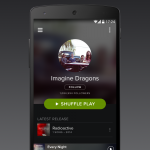
In the light of recent events at eBay and Avast, when an Important Notice to Our Users appeared on the Spotify streaming music service's official news feed today you might have been forgiven for fearing the worst.
Oska Stål, CTO of Spotify writes, "We've become aware of some unauthorized access to our systems and internal company data and we wanted to let you know the steps we’re taking in response. As soon as we were aware of this issue we immediately launched an investigation". Read on, however, and you discover that only one user's data has been accessed and this didn't include any password, financial or payment details.
Sophos helps enterprises secure mobile access
With more and more demands to go mobile and allow employees to use their own devices, the challenge for businesses is to keep their data secure.
Following a recent survey which showed that 84 percent of organizations allow access to public cloud services like Dropbox and 65 percent don’t encrypt data between cloud and mobile devices, security specialist Sophos is launching Sophos Mobile Control 4.0.
Avast hacked -- 400,000 user details stolen

Getting hacked is bad enough for any company -- just ask eBay -- but it’s even worse (and certainly more embarrassing) when the firm in question is responsible for producing security software designed to protect us from the dangers on the web. Eight months ago AVG and Avira had their websites taken over by pro-Palestinian hackers and now Avast admits it’s had to take its forum offline due to an attack.
Avast says "user nicknames, user names, email addresses and hashed (one-way encrypted) passwords were compromised" and while it stresses less than 0.2 percent of users were affected, that still equates to details of around 400,000 people.
Kaspersky recommends Windows Phone security apps

Windows Phone may not be as attractive of a target to hackers as Android and iOS are, but that does not mean users should rest easy. As the platform's installed base grows so will the risks. While the tiled smartphone operating system is fairly secure -- it has received the coveted FIPS 140-2 certification -- there are a number of basic security measures and tools that allow users to keep their personal information, and Windows Phone, safe.
On top of the inconspicuous security features that Microsoft bakes into Windows Phone (such as app sandboxing, and exclusive access to the curated Store), users can leverage the built-in tool find my phone (read this article to find out how to use it), and various apps to step it up a notch. Well-known security firm Kaspersky focuses on the latter in a new blog post, listing five apps that "enhance security on your Windows Phone 8".
Hacker holds Apple devices for ransom

Holding a device for ransom is a scary practice. Hackers seize control, and then ask the owner to pay a fee to unlock it. If the victim does not comply with their demand, there is little that can be done to regain access to private data, which may include sensitive information like bank account passwords, photos, work documents and so on. Some people cave in, paying the hackers. Others refuse and end up losing everything on their device.
Some Australian Apple users are reporting they are dealing with a hacker (or group of hackers) that goes by the name Oleg Pliss, that holds their iOS and Mac devices for ransom, demanding a certain fee (initial reports say $100) to relinquish control. Affected Apple devices have been locked through Find My iPhone, a tool that lets users track their enrolled iOS and Mac devices, basically rendering them useless.
eBay initially believed no user data had been compromised in breach

This week saw a huge eBay security compromise, which opened up user details on a major scale -- but when the issue first came to light, the company didn't think any user data was involved.
You can't have missed the story of this breach -- and the ensuing fracas in which eBay was roundly criticized for its lackadaisical response this week. With passwords involved in the compromise, eBay's push for users to change their passwords was woefully sluggish -- failing to get even a prominent warning up on the site itself until the day after the breach was officially admitted (at least going by GMT; see our closer look at how badly eBay handled its database breach). And indeed there was no forced reset of user passwords.
The most popular stories on BetaNews this past week: May 18 -- May 24

It should come as no surprise that this week's big news was Microsoft's Surface Pro 3 unveiling. Brian had been looking forward to the NYC event and was at the event to get hands on with the new device. There's certainly a lot to love about Microsoft's third generation tablet, but there is that price to consider. If you like the look of what you see, the device is available for pre-order right now -- and if you're undecided between the Surface and a MacBook Air, Mihaita compared the two. Maybe you're one of those who thinks it’s a niche product.
The Surface Mini failed to make an appearance, but there are still lots of other tablets to choose from -- although they are yet to make much of an impression in higher education, unlike Chromebooks which have found their way into Welsh schools. Will Microsoft's tablet manage to attain the longevity of Apple's iPad? You'd be forgiven for thinking that hell itself had frozen over at the news that work is underway that will make it possible to run Android and iOS apps side by side on the same device.
© 1998-2026 BetaNews, Inc. All Rights Reserved. Privacy Policy - Cookie Policy.